Toddler supervision moments
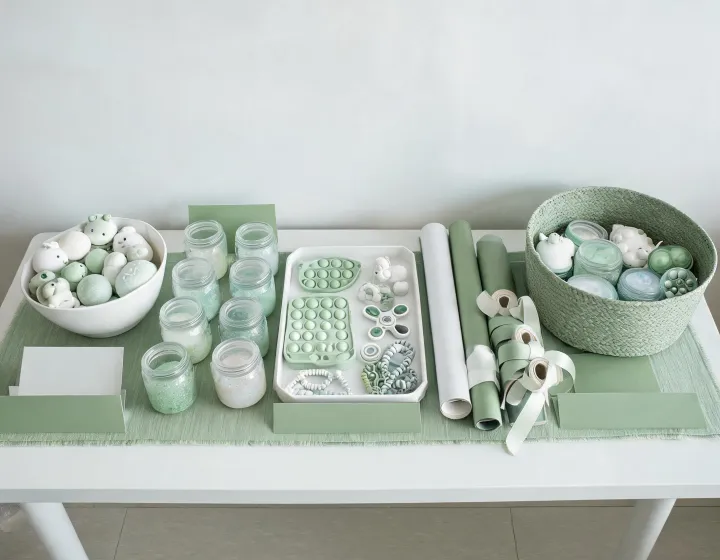
Younger children need simple shapes, clear adult guidance, and products that are easy to store when the play window ends. A squishy in this setting is not a tiny collectible; it is part of a supervised routine. Packaging should state age guidance plainly, avoid exaggerated claims, and help caregivers understand texture before purchase.
Preschool calm corners
Classroom and home calm corners work best when tactile choices are quiet, repeatable, and easy to clean up. Slow-rebound cubes, soft squeeze balls, and contained putty sets can support transition moments without adding sound or electronic stimulation. The shelf story should emphasize feel, storage, and respectful use rather than performance promises.
Birthday and reward bins
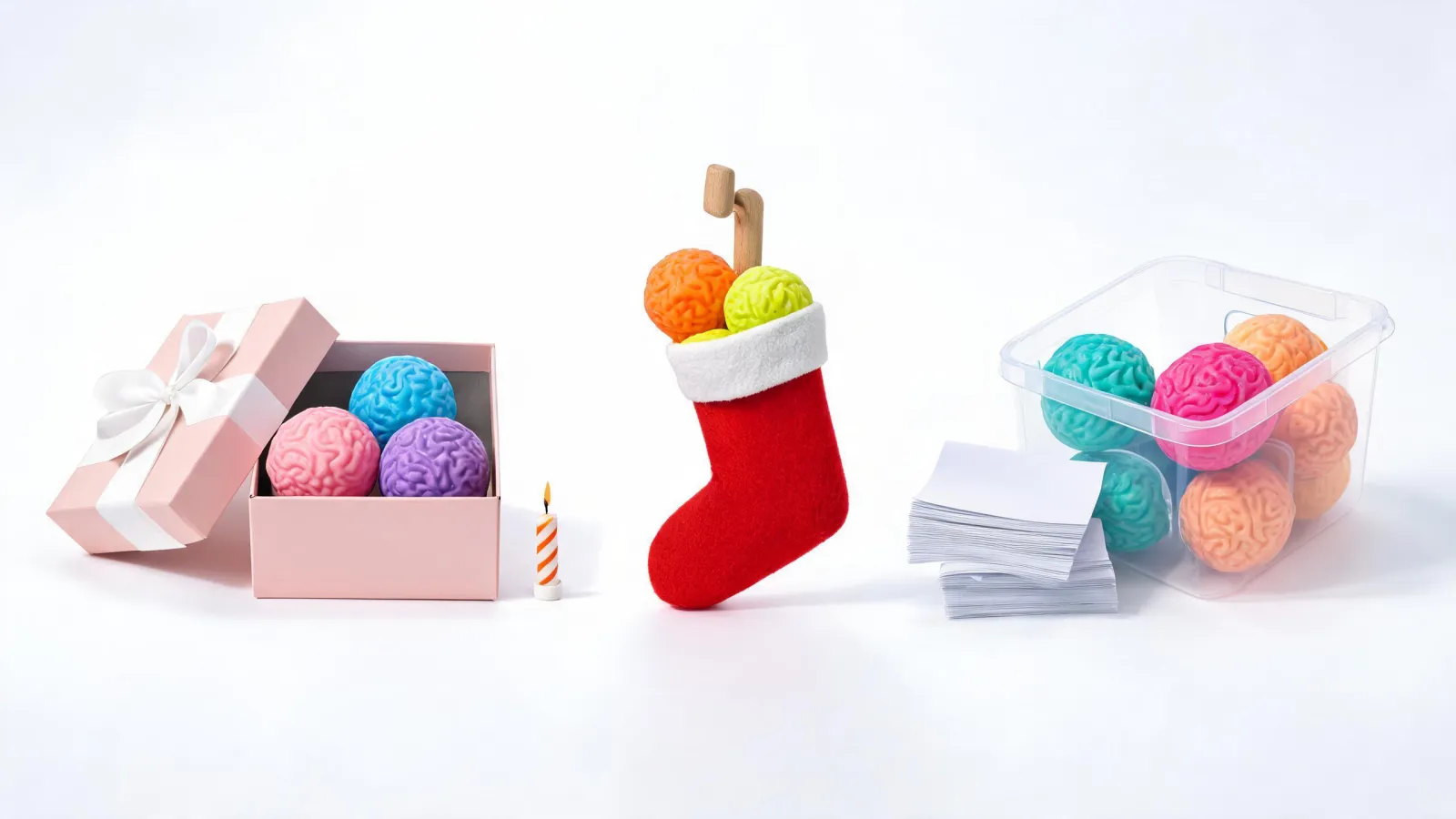
Small sensory toys often live in birthday favors, reward drawers, and checkout baskets. These assortments need bright recognition, but they also need restraint. Too many colors or unrelated shapes turn the bin into clutter. Nee Doh uses a compact naming system so a child can pick quickly and an adult can understand what is inside.
Desk and travel resets
Older kids and adults often choose fidget toys for a desk, a commute, or a waiting room. For that use, durable feel matters more than novelty volume. A product should fit a pocket, resist messy explanations, and look simple enough to sit beside notebooks, headphones, or travel snacks without feeling out of place.