Non-toxic wording is specific
The claim must connect to product materials and care instructions, not a vague feeling of safety.
The goal is not to make a small toy sound bigger than it is. The goal is to make every sustainability statement specific enough for parents, retailers, and internal teams to verify.
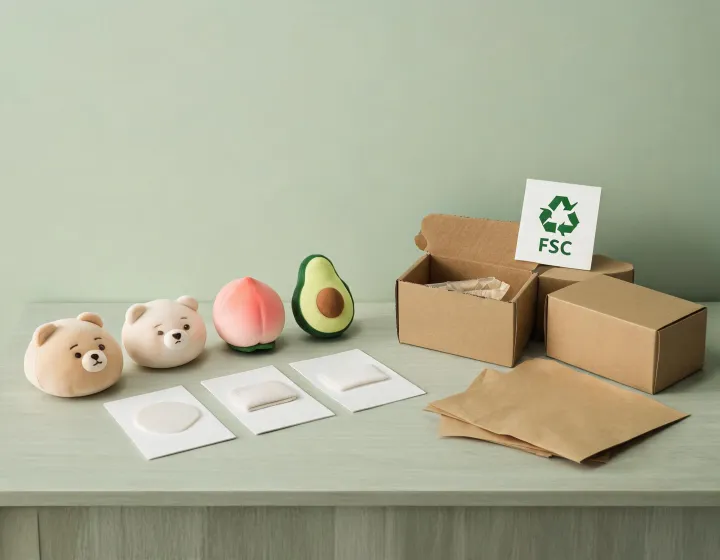
Nee Doh uses a compact table so sustainability remains operational. Each row connects a claim to the product area it affects and the evidence a buyer should expect to see.
| Area | Current focus | Buyer evidence | Next review |
|---|---|---|---|
| Fill and surface | Non-toxic material language, soft-touch durability, no inflated sensory claims | Material declaration and age guidance wording | Each assortment update |
| Packaging | Recyclable ship packs, fewer duplicate inserts, clear care notes | Pack specification and insert count | Seasonal launch cycle |
| Display planning | Smaller shelf footprints and refillable display logic | Planogram notes and pack depth recommendation | Retail reset window |
| Consumer wording | Plain statements about care, storage, supervision, and responsible disposal | Approved copy sheet | Before print release |
The table deliberately avoids broad language such as planet safe or zero impact because a small tactile toy still needs honest boundaries. Better claims are narrower: recyclable outer carton, reduced insert count, reusable play value, and a material note that can be checked against a product specification. This keeps sustainability practical for retail teams and credible for families.
The claim must connect to product materials and care instructions, not a vague feeling of safety.
Insert removal, carton changes, and ship-pack consolidation should be visible in the pack brief.
Sustainability copy never replaces supervision notes, storage directions, or small-part cautions.
Longer play value is described through texture durability, storage behavior, and repeat use.
We can share the compact checklist used for squishies, slime, and fidget product planning.
Request the scorecard